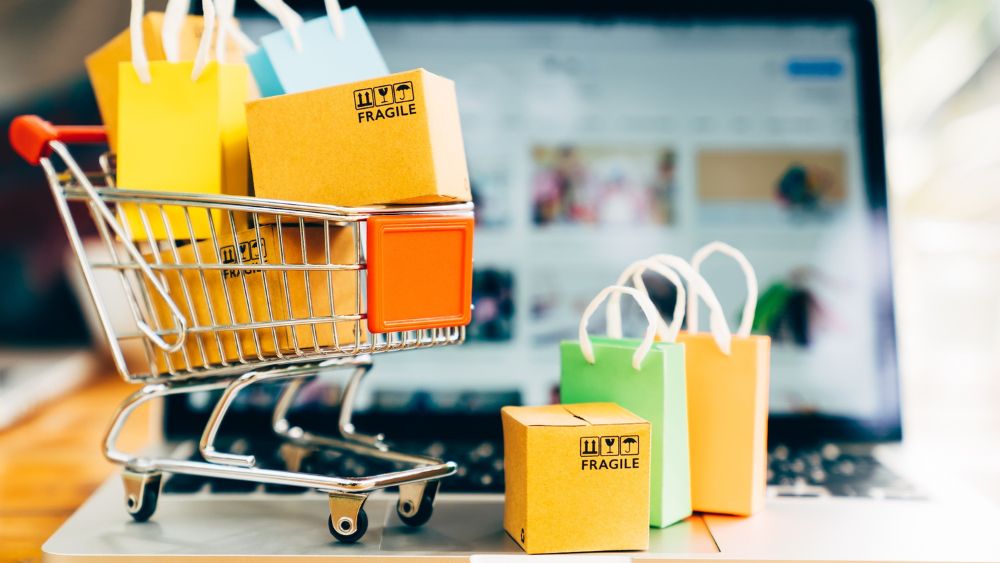
Triggered out of necessity during the Covid pandemic, convenience store operators scrambled to capture the exploding demand for online delivery. The industry-wide response was a collective, chaotic sprint to deploy third-party marketplaces. Almost overnight, store counters across the country became “tablet farms”—cluttered with flashing screens from DoorDash, Grubhub, and Uber Eats, each pinging, chiming, and demanding immediate attention.
But what felt like a quick tech win fast became an operational hangover. Store teams were overwhelmed, orders were dropped, and inventory became a ghost hunt. As a result, after demand for online delivery began to wane, some of the largest chains opted to completely de-commission delivery programs at their corporate stores rather than face the compounding brand damage of an unintegrated customer experience.
Retailers have learned that running an unintegrated, chaotic system isn’t sustainable, but operators that are able to more tightly integrate online delivery with the rest of their technology stack stand to capitalize on what remains a strong opportunity for additional sales.
The True Cost of a Disconnected Delivery Program
Online delivery offers an undeniably massive financial prize. According to industry data shared by retail technology leaders, the average digital basket size for a c-store online delivery order hovers around $40. That is roughly five times higher than the average in-store transaction.
Consumers ordering from home are purchasing high-margin impulse items, multiple beverages, and prepared food service options in bulk.
Yet, when that high-value transaction runs through a disconnected tablet, it introduces severe friction into your operation.
1. Store Execution Friction and “Priorities Juggling”
Your store associates are already managing fuel forecourts, cleaning coffee bars, and ringing up a line of physical customers. When an online delivery tablet starts alerting in the background, employees face a choice: make the physical customer wait or ignore the digital order. If they accept the digital order, they must manually walk the aisles, pick the items, bag them, and manually ring them into the POS to maintain an audit trail. It is an operational nightmare that guarantees long lines and frustrated employees.
2. The Nightmare of Ghost Inventory
“Ghost inventory” is the real-world horror of a digital customer ordering a specific high-margin item only for the delivery driver to arrive and find that item is out of stock. The shelf is empty.
Without data synchronization between your back-office inventory and the delivery app, you have two equally poor options:
- The Phone Chase: Your associate stops what they are doing to call or message the customer, trying to negotiate a substitution (e.g., “We’re out of Red Bull, would you take a Monster?”).
- The Order Reject: You reject the order outright. Not only do you lose a $40+ sale, but third-party platforms routinely levy financial penalties and push your store down in their search algorithms for high rejection rates.
3. Financial Reconciliation and Price Disconnects
Third-party marketplaces charge steep commission fees. To protect your bottom line, you must implement strategic price markups on delivery items. If those markups are maintained manually across three different tablet portals, inconsistencies are inevitable. Even worse, if your cashier manually punches an online order into the register using standard in-store pricing, the paper receipt pinned to the bag won’t match what the customer paid online, prompting immediate complaints, chargebacks, and accounting confusion.
Bad delivery is a direct tax on your brand equity. If you can’t guarantee an accurate, fast digital order, you are actively training customers to buy from your competitor down the road.
The Architecture of a Frictionless Store
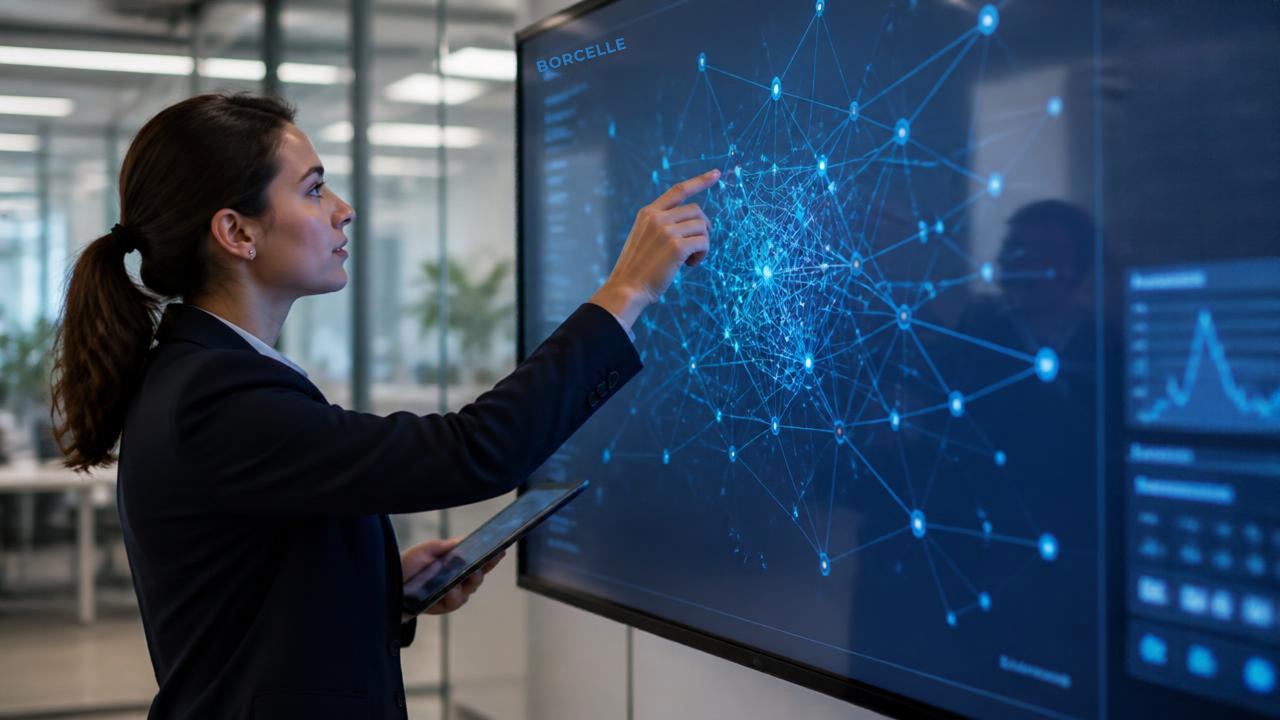
To cure this operational paralysis, forward-thinking retailers are moving away from individual delivery applications toward unified POS integration layers. By connecting your central back-office and POS systems directly to an integration engine, you create a seamless, bi-directional handshake between your store systems and outside delivery networks.
Best practice is to implement a two-way integration framework that solves this challenge without adding a single piece of hardware to the counter:
- Outbound Synchronization: The centralized back-office system automatically publishes online-orderable catalogs, real-time pricing tiers, and tax logic to the digital platform via APIs. This completely eliminates manual menu management and price disconnects as well as providing a way to inform the online delivery platform of items that are out of stock and should not be shown to customers.
- Inbound Automation: When an order is placed online, transaction data is immediately pulled back, decremented from the store’s live inventory, and seamlessly reconciled within the central back-office system.
The result? Automatic reconciliation, perfect price book synchronization, and a drastic reduction in out-of-stocks. Store operators stop managing tech platforms and get back to managing retail.
Are Your Systems Ready for the Future of Convenience?
As consumer behavior evolves toward online ordering and even agentic digital commerce, your back-office and point of sale systems must be bulletproof. The days of tablet farms and non-integrated ecosystems just won’t suffice.
If you are ready to eliminate counter clutter, protect your margins, and empower your store associates with clean, integrated retail technology, it’s critical to work with partners that can help you achieve those goals. As always, ROC Associates offers a free one-hour consultation where we can discuss your current challenges and discover how we can streamline your path toward operational excellence.