Convenience retail is moving fast, embracing AI-enabled upselling, smart kitchen automation, frictionless checkout, and integrated loyalty apps. Tech providers are eager to showcase their solutions, and customers increasingly expect digital, seamless experiences. With foodservice acting as a trip driver and margin booster, retailers are eager to leverage tools that consistently put quality products into customers’ hands.
The reality? Many convenience retailers aren’t ready to bring these technologies to life. AI-enabled tools promise improvements across inventory, training, scheduling, and kitchen automation. However, the foundational infrastructure, cross-functional alignment, and implementation strategies often aren’t in place. Technology may be next-generation, but readiness is not.
Before committing to new solutions, evaluate how well those tools integrate with existing systems and operations. A structured pre-assessment identifies gaps in data, processes, and capabilities, saving time, money, and unnecessary disruption. The following steps offer a strong starting point for improving your tech readiness today.
1. Clean Up Your Pricebook and Item-Level Data
If your inventory and pricing systems are disorganized, even the most advanced digital or AI-enabled foodservice tools will underperform. Your pricebook is the best place to start any readiness assessment. Item-level data must be clean, structured, and standardized. Inconsistent naming conventions impact your ability to analyze sales and manage margins. They also limit your ability to execute digitally – from online menus and pricing logic to loyalty offers.
Align your POS, online menus, and vendor systems so they speak the same language, generating accurate category and margin reporting. Even the smartest system can’t help if it doesn’t know what’s in stock. Supporting item-level inventory tracking across all prep and sale locations connects what’s sold, prepped, and available in real time. This visibility is a prerequisite for computer-assisted ordering, dynamic production, and waste reduction. When systems are integrated and data is clean, you unlock predictive analytics for demand forecasting and smarter promotions.
2. Align Cross-Functional Teams
Foodservice technology impacts operations, marketing, digital, finance, and beyond. Stakeholders need early involvement, shared goals, alignment around timing, labor planning, margin expectations, and execution strategies. Without coordination, costly missteps happen.
Consider a new food item launched without properly informing operations. Store teams didn’t receive handling guidance; the product was mistakenly placed in a hot case when it required refrigeration, resulting in spoilage and lost sales. A simple communication breakdown turned a promising launch into a costly failure.
As foodservice complexity increases, predictive scheduling and labor optimization tools help align resources with demand, ensuring proper staffing during production peaks while reducing friction and improving customer experience.
3. Integrate Retail and Digital Experiences
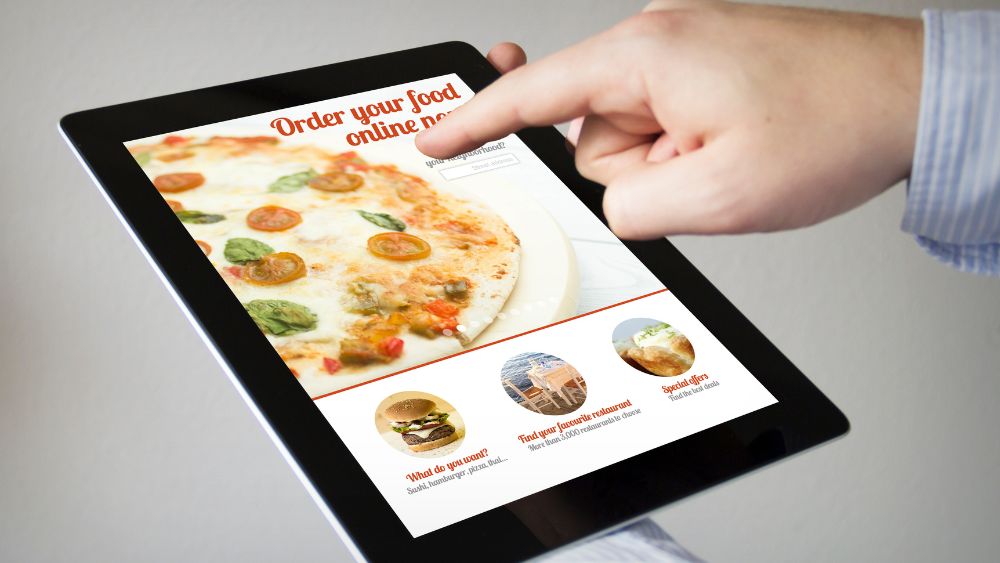
Today’s customers move fluidly between digital and in-store experiences, expecting seamless omnichannel journeys. Whether ordering through kiosks, mobile apps, or third-party platforms, systems must deliver consistent pricing, product names, promotions, and payment options.
A unified retail and digital strategy maps the full customer journey, coordinates loyalty and promotional messaging, and ensures data consistency across channels. Digital offers are only valuable if stores can execute them. Coordination across teams ensures what’s promised online is ready for execution in-store.
4. Streamline Kitchen Operations
Many convenience retailers now juggle orders from drive-thru, kiosks, mobile apps, and third-party providers. If orders funnel into separate systems – or worse, individual tablets – foodservice teams become overwhelmed, doing guesswork and making mistakes that create frustrated customers.
Implement the right staging screens, prep workflows, and integration to funnel all orders into a single kitchen queue. This improves efficiency and provides essential data on which channels drive sales. When everything flows through one system, optimization becomes possible.
5. Support Modern Payment Methods
The days of “cash and credit only” are long gone. Payment expectations continue to evolve, and retailers must accommodate digital wallets, contactless payments, SNAP/EBT support, mobile age verification, and emerging technologies.
When implementing online ordering or self-checkout, ask:
- Will it support the payment types your customers actually use?
- Can it handle SNAP/EBT in markets where that’s critical?
- Is it secure and compliant with emerging standards?
Especially in rural or value-conscious markets, offering the right payment options can be a differentiator. If the technology doesn’t support how your customers want to pay, it ultimately leads to a negative impact on your foodservice business.
6. Plan Maintenance and Service
Without the right service support, high-investment tools quickly become costly liabilities. Modern platforms offer remote diagnostics, predictive maintenance alerts, and automated service scheduling that help identify issues before they impact operations.
Include facilities and IT teams early to understand maintenance protocols, software integrations, and vendor service agreements. Service isn’t an afterthought. It’s critical to uptime and long-term technology readiness.
7. Embed Compliance and Regulatory Safeguards
Every new technology layer introduces regulatory risk, especially when AI and customer data are involved. Key considerations include:
- Food traceability requirements for tracking ingredients from delivery to sale
- AI and data-privacy protections
- Secure age verification for online sales of age-restricted items
- Payment compliance and digital security standards
Embedding compliance early ensures technology investments support both current and future regulatory requirements.
8. Prioritize Training and Change Management
Even the smartest system won’t deliver ROI if your people don’t know how to use it. One-time training at installation is never enough in high-turnover environments where employees manage multiple technologies – from fuel controllers and loyalty apps to kiosks and kitchen equipment.
Plan for standardized, role-based training that’s refreshed regularly and consistently monitored. Video modules and gamified incentives empower employees to take initiative and earn rewards. Strong training builds a service culture where teams understand the technology, support customers, and feel invested in store success.
Technology Is a Tool, Not a Magic Wand
Technology plays an important role in driving foodservice sales and meeting rising customer expectations – but it’s not a shortcut. Retailers that succeed approach foodservice technology in phases: first by establishing strong foundations of clean data, systems, and operations; then by integrating digital and in-store channels, payments, and workflows; and finally, by optimizing through training and continuous improvement.
New solutions may be next-generation, but without the right groundwork, they won’t deliver next-generation results. A true competitive advantage comes from preparing your teams, systems, and processes, so technology drives performance and growth.