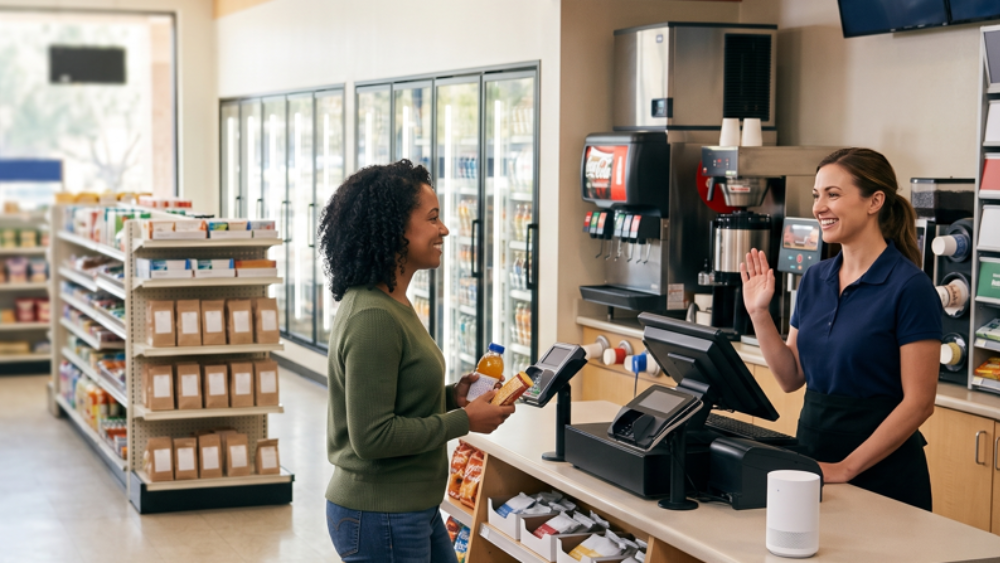
For decades, petroleum marketing has been built on relationships. Trust, responsiveness, and long-standing partnerships have fueled growth in an industry where reliability matters as much as price. That hasn’t changed, but customer expectations have.
Today’s customers still value personal relationships, but they also expect the same level of digital access and transparency they experience in every other part of their business and personal lives. Petroleum marketers who rely solely on phone calls, emails, and manual processes are finding themselves at a competitive disadvantage—not because relationships no longer matter, but because customers expect more alongside them.
Relationships Still Matter, but They’re No Longer Enough
Strong customer relationships remain a cornerstone of the petroleum industry. Customers want to know who they’re working with, trust that deliveries will happen on time and feel confident that issues will be resolved quickly.
However, relationships now operate in a digital context. Customers don’t want to call just to check a balance, confirm a delivery, or download an invoice. They expect those basics to be available instantly, without friction. When information isn’t easily accessible, even the strongest relationships can feel strained.
Modern customer portals don’t replace relationship-driven service; they support and enhance it by removing unnecessary friction from everyday interactions.
Customers Expect On-Demand Information
Across industries, customers have grown accustomed to on-demand access to information. Petroleum customers are no exception.
They increasingly expect to be able to:
- View invoices, statements, and payment history at any time
- Make and schedule payments
- Access to on-demand reporting
- Monitor tank levels and volumes
- Access fuel pricing
When customers can self-serve for routine needs, conversations with account managers become more meaningful. Instead of spending time answering basic questions, teams can focus on proactive outreach, strategic discussions, and problem-solving.
Ease of Access Is Now a Competitive Differentiator
A modern customer portal isn’t just about features; it’s about ease of access. If information is hard to find, slow to load, or only available during business hours, customers notice.
Petroleum marketers compete not only on price and service, but on experience. A clean, intuitive portal signals professionalism, transparency, and operational maturity. It tells customers, “We respect your time.”
In many cases, customers don’t explicitly ask for a portal, but they feel the difference when one exists, and they remember the frustration when it doesn’t.
Mobile Apps Matter
While desktop portals remain important, mobile access is increasingly critical, especially for specific customer segments:
- Operators and managers who are rarely at a desk
- Multi-site customers overseeing multiple locations
- Field personnel who need quick access while on the move
For these users, mobile apps provide immediate value:
- Checking account activity
- Reviewing recent transactions on the go
- Viewing tank readings
Not every customer will use a mobile app, but for those who do, it often becomes their primary touchpoint with your company. Offering mobile access demonstrates flexibility and an understanding of how different customers operate.
Better Portals Lead to Better Operations
The benefits of modern customer portals extend beyond customer satisfaction. Internally, they help petroleum marketers:
- Reduce inbound calls and emails for routine requests
- Improve billing transparency and reduce disputes
- Streamline communication across sales, accounting, and operations
- Present a consistent, professional brand experience
As margins tighten and operations scale, efficiency becomes just as important as growth. Customer portals help achieve both.
Staying Competitive in a Digital-First World
The petroleum industry is evolving. New generations of customers, new technologies, and increasing competition are reshaping expectations. Companies that invest in modern customer portals aren’t abandoning relationship-based service, they’re reinforcing it.
By combining trusted relationships with on-demand information, ease of access, and mobile capabilities, petroleum marketers position themselves as forward-thinking partners, not just fuel providers.
In today’s market, the question isn’t whether relationships still matter. They do. The real question is whether your digital experience matches the quality of the relationships you’ve worked so hard to build.